Moving the Centre
Essays in which Ngũgĩ wa Thiong’o calls for moving the centre of culture, between nations and within them, to free the world’s cultures from the walls of nationalism, class, race and gender.
Afidie na ɛkyerɛɛ kasa yi mu nkyerɛwee bi aseɛ na wɔda so rehwɛ mu.

Essays in which Ngũgĩ wa Thiong’o calls for moving the centre of culture, between nations and within them, to free the world’s cultures from the walls of nationalism, class, race and gender.

Newton (2008) shows how emancipation changed social and political life for free people of colour in Barbados, from their 1838 celebration of the end of apprenticeship onward.
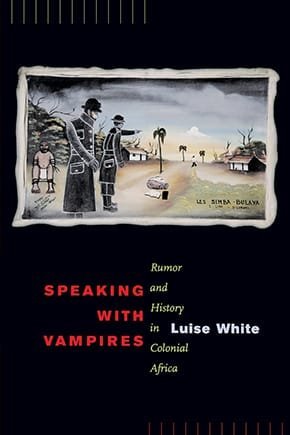
White (2000) treats the rumours told in colonial Africa as a source for writing its history.
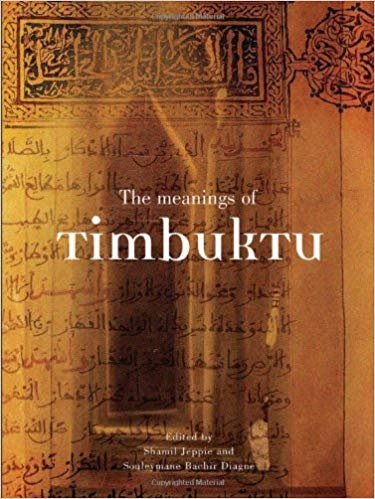
Leading international scholars sketch what Timbuktu means for the intellectual history of West Africa and of the whole continent.
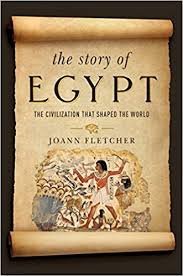
A history of ancient Egypt that begins with the Egyptians’ own creation stories, in which the first mound of earth rose from dark, endless waters, and creation was renewed again and again.

Robert Lyman’s account of the siege of Tobruk in the Second World War, which began on 10 April 1941 and lasted 240 days: a story of endurance in the battle for North Africa.

A study of the African origins of rhetoric. The opening of the old record sets the book against the global economic crisis of its time; its author and date still need to be recorded.
Twenty essays edited by Lovejoy and Falola on pawnship, the African form of debt bondage in which people were held as security for debts, and its effects on kinship, gender and more.
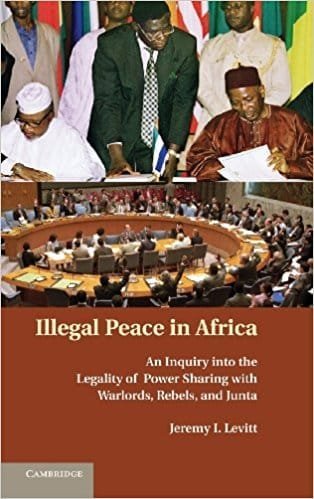
Levitt questions the legality of power-sharing peace agreements, Western conflict-resolution experiments tried in African states with the stated aims of ending conflict, securing peace and building democracy.
Ode Ogede shows how African writers draw on local literary forerunners, and how that lively sense of their predecessors shapes the growth of African writing.
Correct Connect Africa Foundation · 20B Muyibat Oyefusi Crescent, Omole Estate Phase 1, Ikeja, Lagos, Nigeria · info@ccaf.africa