Moses and Akhenaten: The Secret History of Egypt
Ahmed Osman argues that Moses and the pharaoh Akhenaten were the same man. Most historians and Egyptologists do not accept this reinterpretation; read it as one author’s thesis.
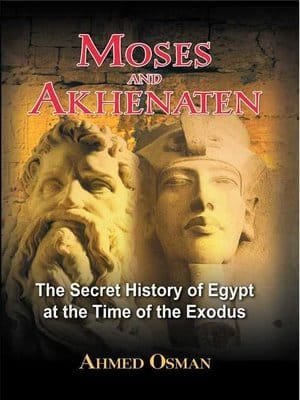
Ahmed Osman argues that Moses and the pharaoh Akhenaten were the same man. Most historians and Egyptologists do not accept this reinterpretation; read it as one author’s thesis.
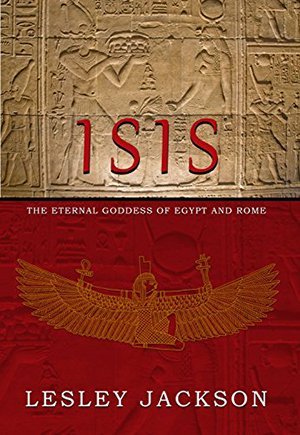
Lesley Jackson’s study of Isis, drawing on primary sources to follow the goddess from Egypt into the Greek and Roman world, where she gained new powers while keeping her old ones.
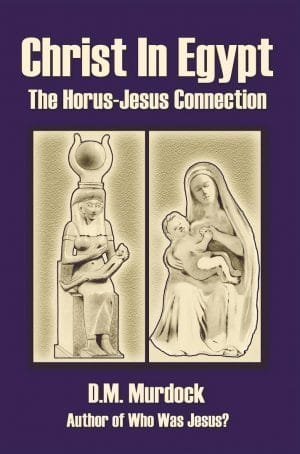
D. M. Murdock (Acharya S) argues that the story of Jesus borrows from the Egyptian god Horus. Historians of religion and Egyptologists largely reject this thesis; it is kept as an example of a contested view.

Edward Malkowski argues that Egyptian civilisation and its monuments are tens of thousands of years older than archaeology shows. This is a contested view; read it alongside mainstream Egyptology.

A study of the African origins of rhetoric. The opening of the old record sets the book against the global economic crisis of its time; its author and date still need to be recorded.
A history of ancient Egypt that begins with the Egyptians’ own creation stories, in which the first mound of earth rose from dark, endless waters, and creation was renewed again and again.
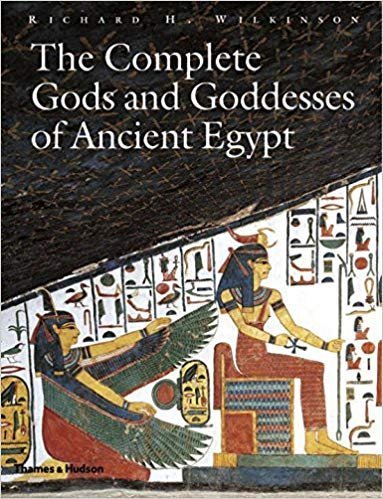
A guide to the gods and goddesses of ancient Egypt, worshipped for more than three-fifths of recorded history, and to how pharaohs and ordinary people honoured them.

Emily Teeter reconstructs how ancient Egyptian religion was practised, from objects and inscriptions: who could enter the temples, and what rituals took place there.

Cheikh Anta Diop’s first book in English (1974), arguing from archaeological and anthropological evidence that the civilisation of ancient Egypt was African.

E. A. Wallis Budge’s 1914 introduction to ancient Egyptian literature: Thoth, its legendary author, writing materials, the Pyramid Texts, stories of magicians and more.
Correct Connect Africa Foundation · 20B Muyibat Oyefusi Crescent, Omole Estate Phase 1, Ikeja, Lagos, Nigeria · info@ccaf.africa