Intertextuality in Contemporary African Literature
Ode Ogede shows how African writers draw on local literary forerunners, and how that lively sense of their predecessors shapes the growth of African writing.
Igwe sụgharịrị ụfọdụ ederede ihu ebe a n'asụsụ a, a ka na-enyocha ya.
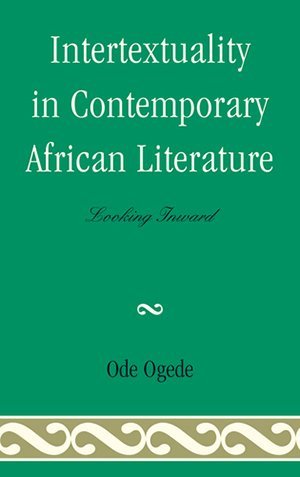
Ode Ogede shows how African writers draw on local literary forerunners, and how that lively sense of their predecessors shapes the growth of African writing.
Mwaura examines foreign aid, trade, study abroad, religion, entertainment and the media in Kenya and other African nations, and asks whether what is offered as “assistance” truly helps.
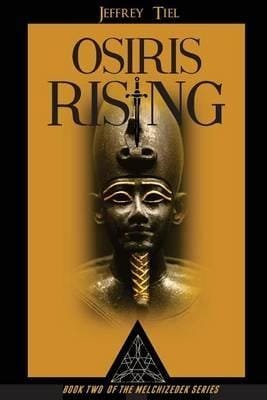
Ayi Kwei Armah’s 1995 novel of Africa past, present and future: Ast, an African American woman with a new doctorate, travels to Africa in search of her heritage.

CCAF’s handbook, in English, related to the Kheperian Awakening Programme.

Ayo Coly shows how literary texts expected to celebrate uprootedness still affirm home and nation, and questions the habit of treating home and nation only as negative ideas.
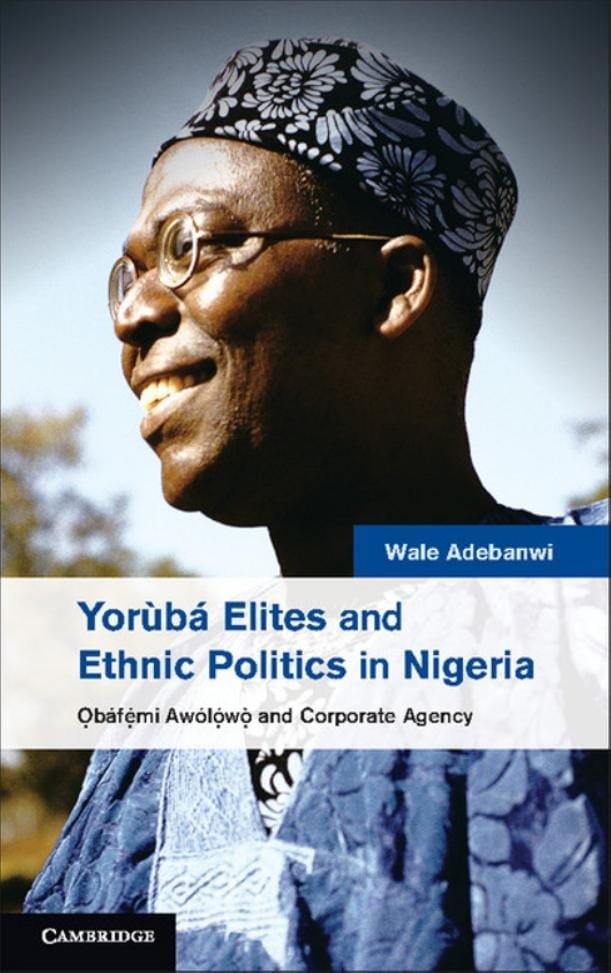
Wale Adebanwi studies ethnicity and elite politics in Nigeria, showing how Yoruba elites, acting together, shaped the modern history of the Yoruba people.
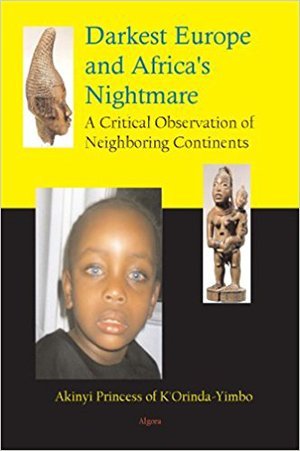
K’Orinda-Yimbo argues that the aid system harms Africa more than it helps, in a critical look at the relationship between Africa and the West.
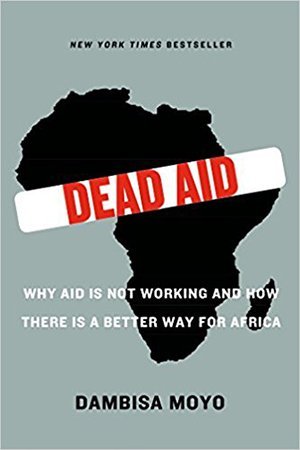
Dambisa Moyo argues that the billions of dollars of aid sent to Africa since the Second World War have failed to reduce poverty or bring growth, and proposes a different path out of poverty.
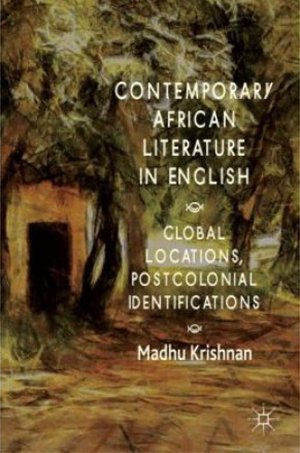
Madhu Krishnan studies contemporary African literature in English, starting from Binyavanga Wainaina’s mocking essay “How to Write About Africa” and the clichés it lists.
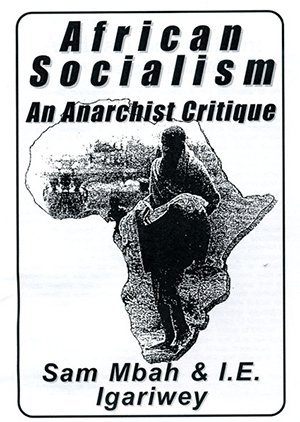
An anarchist critique of the African socialism adopted by post-colonial states, including Nkrumah’s, arguing that anarchism is Africa’s way forward.
Correct Connect Africa Foundation · 20B Muyibat Oyefusi Crescent, Omole Estate Phase 1, Ikeja, Lagos, Nigeria · info@ccaf.africa