Kabwe, Broken Hill (Zambia): a Middle Pleistocene skull
A skull found in a Zambian mine in 1921 was re-dated in 2020 to about 300,000 years. Its people lived in Africa at the same time as the earliest Homo sapiens.
Parte dei testi dell’interfaccia in questa lingua è stata tradotta automaticamente ed è ancora in revisione.
A skull found in a Zambian mine in 1921 was re-dated in 2020 to about 300,000 years. Its people lived in Africa at the same time as the earliest Homo sapiens.
A child about three years old was laid in a pit, knees drawn up and head perhaps on a pillow, in a cave near the Kenyan coast about 78,000 years ago.
In Ethiopia’s Middle Awash valley, the skeleton known as Ardi, 4.4 million years old, showed an early hominin that walked upright on the ground yet could still grasp branches with its feet.
Near Lake Turkana, eastern Africa’s first herders built a great communal cemetery with stone pillars, burying hundreds of people without any sign of rulers or rank.
South of Bulawayo, granite hills hold some of the finest rock paintings of southern Africa and shrines still central to the region’s spiritual life.
More than 150 painted shelters on the slopes of the Masai escarpment in central Tanzania, some still used for ceremonies.
In the forested hills of central Malawi, red paintings by BaTwa hunter-gatherers and white paintings by Chewa farmers tell of two traditions on the same rocks.
Covers Africa from the Italian invasion of Ethiopia in 1935 through the Second World War, the struggles for independence and decolonization, and the first decades of independent states. It discusses nation-building, economies, culture and religion, Pan-Africanism and Africa’s place in world affairs.
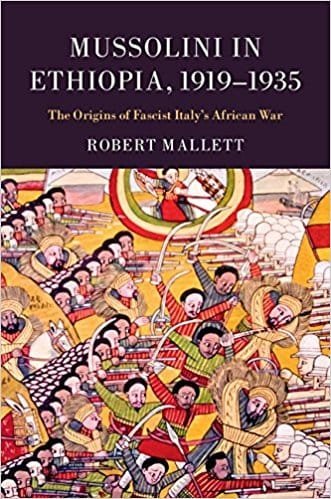
Mallett traces how Fascist Italy’s policy towards Ethiopia developed from 1919 to 1935, within European politics and the rise of German National Socialism.

Essays in which Ngũgĩ wa Thiong’o calls for moving the centre of culture, between nations and within them, to free the world’s cultures from the walls of nationalism, class, race and gender.
Correct Connect Africa Foundation · 20B Muyibat Oyefusi Crescent, Omole Estate Phase 1, Ikeja, Lagos, Nigeria · info@ccaf.africa