The Political and Social Thought of Kwame Nkrumah
An analysis, based on Nkrumah’s own writings, of the political, social and economic thought of the leader who, inspired by Gandhi’s non-violent civil disobedience, led Ghana to independence.
Parte del texto de la interfaz en este idioma se tradujo automáticamente y todavía se está revisando.

An analysis, based on Nkrumah’s own writings, of the political, social and economic thought of the leader who, inspired by Gandhi’s non-violent civil disobedience, led Ghana to independence.

Samir Amin’s study of the political economy of West Africa from colonisation to 1970 (first published in French in 1971), showing how its capital and savings are controlled from outside.
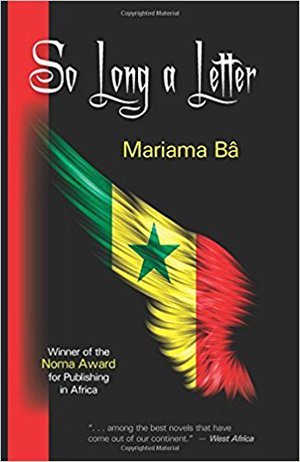
Mariama Bâ’s novel, written as a woman’s long letter to her lifelong friend: a diary begun as “my prop in my distress”, held up by a friendship that goes back to their grandmothers.

Cheikh Anta Diop’s first book in English (1974), arguing from archaeological and anthropological evidence that the civilisation of ancient Egypt was African.

Austin Shelton’s 1971 study of the Igbo–Igala borderland of northern Nsukka, where Igala conquerors of the late eighteenth century ruled through religious offices that, over time, became Igbo.
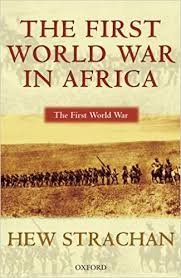
Hew Strachan’s account of the First World War in Germany’s African colonies: Togoland, the Cameroons, South-West Africa and East Africa. It first appeared as a chapter of his larger history of the war.
Ayi Kwei Armah’s 1995 novel of Africa past, present and future: Ast, an African American woman with a new doctorate, travels to Africa in search of her heritage.

An early critical study of Chinua Achebe’s novels by G. D. Killam (1969), later revised as The Writings of Chinua Achebe (1977).
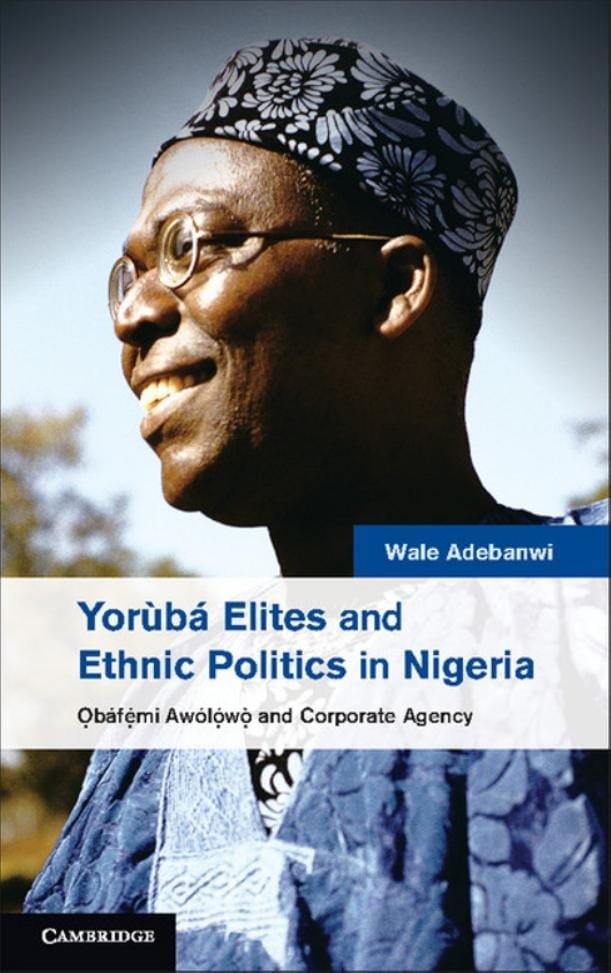
Wale Adebanwi studies ethnicity and elite politics in Nigeria, showing how Yoruba elites, acting together, shaped the modern history of the Yoruba people.
Covers the ancient civilizations of the continent: Egypt in the age of the pharaohs, Nubia and the kingdom of Kush, Aksum, North Africa in the time of Carthage and Rome, and societies south of the Sahara in the same centuries. It includes the report of the 1974 UNESCO symposium in Cairo on the peopling of ancient Egypt and the deciphering of the Meroitic script, a debate still discussed today.
Correct Connect Africa Foundation · 20B Muyibat Oyefusi Crescent, Omole Estate Phase 1, Ikeja, Lagos, Nigeria · info@ccaf.africa