Americanah
Chimamanda Ngozi Adichie’s 2013 novel about Ifemelu, a young Nigerian woman who goes to the United States for university, following her life in both countries and her love for Obinze. It won the National Book Critics Circle Award.
Mbind yu jumtukaay yi ci làkk bii, masin moo firi lenn ci, te ñu ngi koy seetaat.
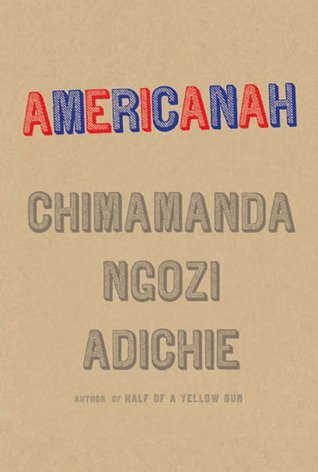
Chimamanda Ngozi Adichie’s 2013 novel about Ifemelu, a young Nigerian woman who goes to the United States for university, following her life in both countries and her love for Obinze. It won the National Book Critics Circle Award.
Timbuktu, in present-day Mali at the edge of the Sahara, was an intellectual and spiritual capital in the 15th and 16th centuries, with the Sankore university and many Qur’anic schools. It was also a market where salt, gold, cattle, grain and manuscripts were traded. Its three great mosques, Djingareyber, Sankore and Sidi Yahia, recall this golden age. UNESCO notes that the monuments, though regularly restored, are threatened by desertification.
In 1954 the Senegalese historian Cheikh Anta Diop published ‘Nations nègres et culture’. In it he challenged Western histories that had justified European imperialism and the idea that Black peoples were inferior, and argued for histories that recognise Africa’s past and its contributions to world history, including his thesis that ancient Egyptian civilisation was African. His work remains influential and his specific claims are still debated by historians and made history a key field of anticolonial thought.
A city at the edge of the Sahara in present-day Mali that became an intellectual and spiritual capital in the 15th and 16th centuries, with the Sankore university, many Qur’anic schools and a busy trade in salt, gold and manuscripts. Example: its three great mosques, Djingareyber, Sankore and Sidi Yahia, built of earth and regularly…
Leader of the Gold Coast’s movement for independence from Britain, who headed Ghana from independence in 1957 until a coup in 1966. Example: his studies in the United States, at Lincoln University and the University of Pennsylvania, where he read the literature of socialism and of nationalism, including Marcus Garvey.
Senegalese historian whose 1954 book Nations nègres et culture challenged histories that had served European imperialism and called for histories recognising Africa’s past and its contributions to the world, including his thesis that ancient Egyptian civilisation was African. His arguments remain influential, and some are still debated by historians. Example: the Sankofa Political Studies lessons…
Emperor (mansa) of Mali at the height of its power in the early 14th century. UNESCO links his name to the first building of Timbuktu’s Djingareyber Mosque, on his return from the pilgrimage to Mecca. Example: the Djingareyber Mosque, rebuilt and enlarged in 1570–1583, still dominates the city.
A king remembered in the Manding oral tradition. The sacred balafon of Nyagassola, the Sosso-Bala, is said to have been played by him; it has carried the epic of Sunjata, the founder of the Mali Empire, and the Kouyaté griots still guard it. Example: watch UNESCO’s film on the Sosso-Bala in the Griot Fireside.
The smaller, forest-dwelling elephant of Central and West Africa, listed as Critically Endangered since 2021.
Kwame Nkrumah (1909–1972), born in Nkroful in the Gold Coast, led the colony’s movement for independence from Britain. In 1957 the Gold Coast became the independent nation of Ghana, and Nkrumah headed the country from independence until he was overthrown by a coup in 1966. He studied in the United States at Lincoln University and the University of Pennsylvania, where he read widely in socialist and nationalist thought, including the work of Marcus Garvey.
Correct Connect Africa Foundation · 20B Muyibat Oyefusi Crescent, Omole Estate Phase 1, Ikeja, Lagos, Nigeria · info@ccaf.africa