African Identities
Kadiatu Kanneh explores the meanings history has given to “Africa” and “Blackness”, using literature, autobiography, ethnography and historical documents.
Une partie des textes de l’interface dans cette langue a été traduite automatiquement et est encore en cours de relecture.
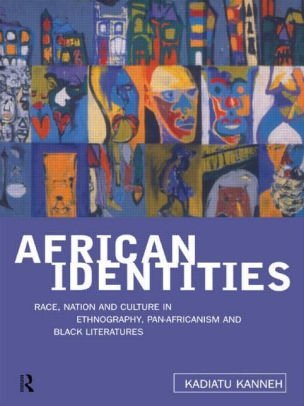
Kadiatu Kanneh explores the meanings history has given to “Africa” and “Blackness”, using literature, autobiography, ethnography and historical documents.

Caroline Rooney asks how “inventions of Africa” differ from inventions of the Orient, and questions writing that has repeatedly cast doubt on the status of African thought, reading African literature through animism and politics.
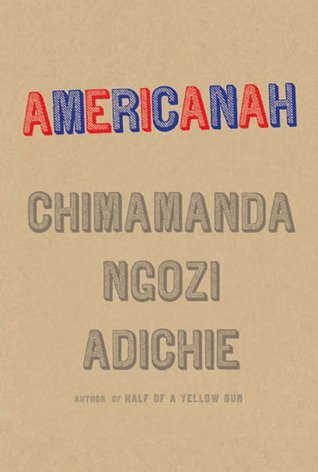
Chimamanda Ngozi Adichie’s 2013 novel about Ifemelu, a young Nigerian woman who goes to the United States for university, following her life in both countries and her love for Obinze. It won the National Book Critics Circle Award.

Florence Stratton places African women writers at the heart of African literature, aiming for a fuller definition of the contemporary African literary tradition, one that includes women.
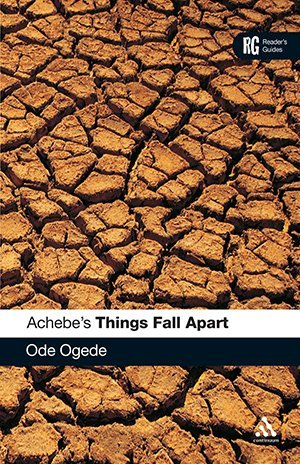
Ode Ogede’s guide to Chinua Achebe’s 1958 novel Things Fall Apart, which tells of life in south-eastern Nigeria before colonial rule and the arrival of Europeans in the late nineteenth century.

M.S.C. Okolo reads African literature as political philosophy, starting from the closeness of the two disciplines: both aim to raise social consciousness and reflect on how society should be.

An anthology of African American literature that opens with Toni Morrison’s declaration that Black writers are “the subjects of our own narratives”.

The catalogue of the Metropolitan Museum of Art’s 1969 exhibition of works from the Museum of Primitive Art, with its African section by Tamara Northern and Robert Goldwater.
Congolese rumba is a music and couple dance from the cities of the Democratic Republic of the Congo and the Republic of the Congo. It grew from an older dance called nkumba and is part of celebrations, mourning and religious life. In 2021 UNESCO inscribed it on the Representative List of the Intangible Cultural Heritage of Humanity, on the joint nomination of both countries.
Masks, dances and chants in Yoruba that honour mothers, from the Yoruba-Nago of Benin, Nigeria and Togo.
Correct Connect Africa Foundation · 20B Muyibat Oyefusi Crescent, Omole Estate Phase 1, Ikeja, Lagos, Nigeria · info@ccaf.africa