French Colonialism Unmasked the Vichy Years in French West Africa
Ruth Ginio studies the years 1940 to 1943, when the Vichy regime tried to impose its “National Revolution” in French West Africa, and how different groups of Africans responded.
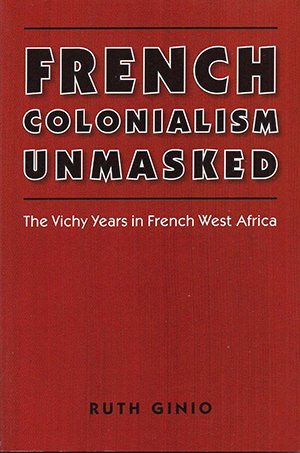
Ruth Ginio studies the years 1940 to 1943, when the Vichy regime tried to impose its “National Revolution” in French West Africa, and how different groups of Africans responded.
Looks at the nineteenth century up to the 1880s, stressing that Africans were shaping their own history before the European partition. It covers the end of the Atlantic slave trade, new commerce, Islamic reform movements in West Africa, political change in southern Africa, reforms in Egypt and Ethiopia, and growing European interest in the continent.
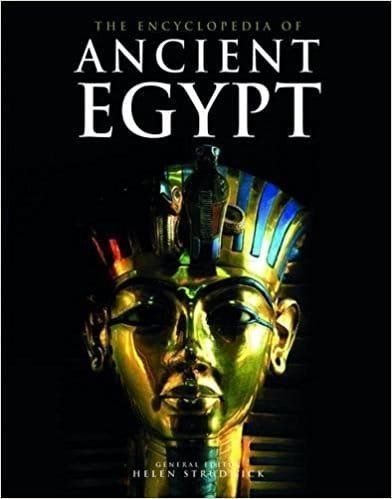
An illustrated encyclopedia, with more than 1,500 photographs and drawings, of the civilisation that flourished in Egypt for over 3,000 years.
Tells the story of the European partition and conquest of Africa from about 1880 to 1935 from an African point of view. It gives particular weight to African initiatives and resistance, then examines colonial economies, social and religious change under colonial rule, and the early growth of African nationalism.
The first of three new volumes prepared under UNESCO’s new international committee. It looks back over the whole collection and revisits its findings in the light of research and developments since the first eight volumes appeared, including new archaeological, social and political knowledge.
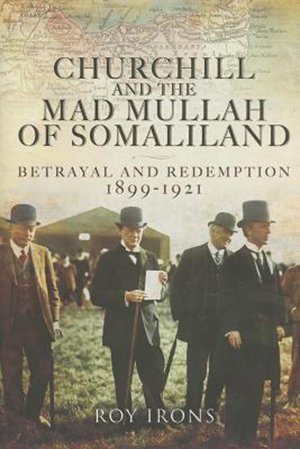
Roy Irons (2013) recounts Britain’s campaigns in Somaliland from 1899 to 1921 against the leader the British called the “Mad Mullah”, and Winston Churchill’s part in them. Reviewers dispute how much influence the author gives Churchill.
Daniel E. Harmon’s illustrated history of Central and East Africa since 1880, from colonial rule to civil war, in the series Exploration of Africa: The Emerging Nations, with an introduction by Richard Leakey.
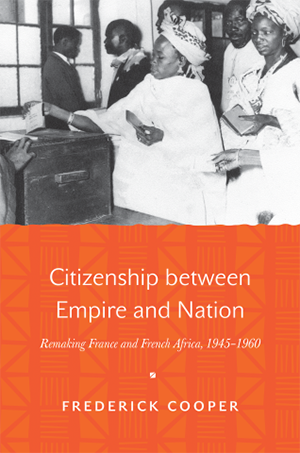
Frederick Cooper’s prize-winning history of 1945 to 1960, when people in France’s African colonies held French citizenship and their leaders explored federation as an alternative to both empire and the nation-state.
A French-language work on Aristotle and ancient Egypt. The old library recorded no author, date or description; these must be confirmed from the copy before the record is published.

Bennett shows how Africans, free and enslaved, in colonial Mexico, home to the largest such population in the New World, used the legal institutions of a Spanish Catholic society to make their way.
Correct Connect Africa Foundation · 20B Muyibat Oyefusi Crescent, Omole Estate Phase 1, Ikeja, Lagos, Nigeria · info@ccaf.africa