The Political and Social Thought of Kwame Nkrumah
An analysis, based on Nkrumah’s own writings, of the political, social and economic thought of the leader who, inspired by Gandhi’s non-violent civil disobedience, led Ghana to independence.
Omunye umbhalo wokusebenzisana ngalolu limi uhunyushwe ngomshini futhi usabuyekezwa.

An analysis, based on Nkrumah’s own writings, of the political, social and economic thought of the leader who, inspired by Gandhi’s non-violent civil disobedience, led Ghana to independence.
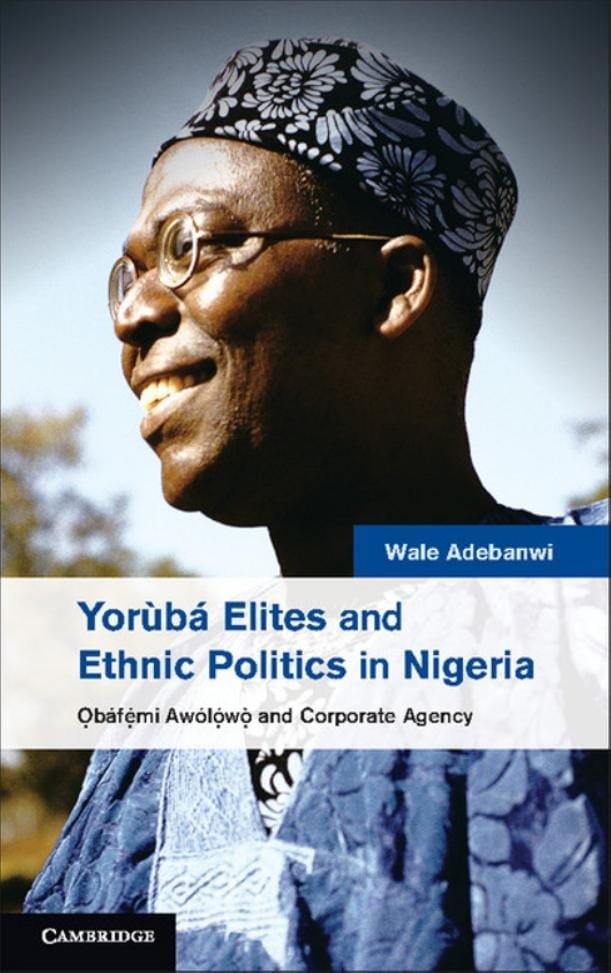
Wale Adebanwi studies ethnicity and elite politics in Nigeria, showing how Yoruba elites, acting together, shaped the modern history of the Yoruba people.
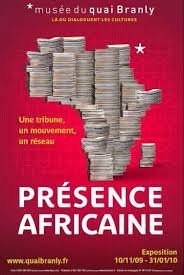
Présence Africaine, the pan-African cultural, political and literary quarterly founded in Paris by Alioune Diop in 1947. Which issue this record holds is not yet known.
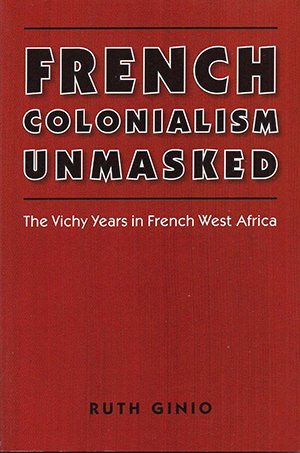
Ruth Ginio studies the years 1940 to 1943, when the Vichy regime tried to impose its “National Revolution” in French West Africa, and how different groups of Africans responded.
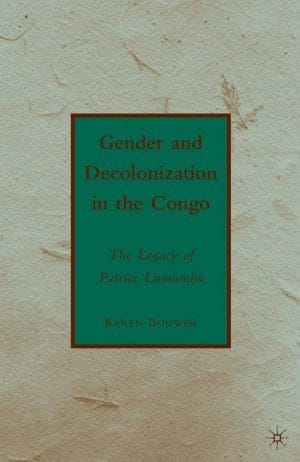
Bouwer asks what ideals of manhood and womanhood came out of the Congo’s struggle for independence, and brings women back into the story of Patrice Lumumba’s legacy.
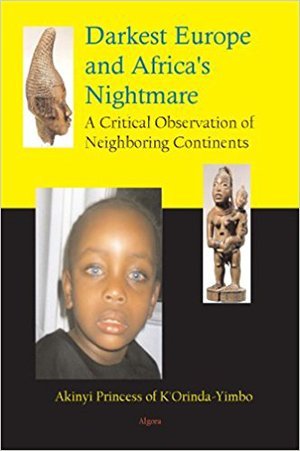
K’Orinda-Yimbo argues that the aid system harms Africa more than it helps, in a critical look at the relationship between Africa and the West.
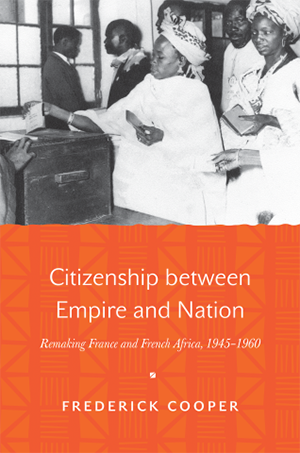
Frederick Cooper’s prize-winning history of 1945 to 1960, when people in France’s African colonies held French citizenship and their leaders explored federation as an alternative to both empire and the nation-state.

M.S.C. Okolo reads African literature as political philosophy, starting from the closeness of the two disciplines: both aim to raise social consciousness and reflect on how society should be.

Essays edited by Toyin Falola and Danielle Sanchez on Africa’s place in twenty-first-century world politics, a role that has received too little attention, seen through African culture.

Short sayings drawn from Kwame Nkrumah’s speeches, first published in 1967, after the coup that removed him, and later reissued in a “freedom fighters’ edition”.
Correct Connect Africa Foundation · 20B Muyibat Oyefusi Crescent, Omole Estate Phase 1, Ikeja, Lagos, Nigeria · info@ccaf.africa