On the Sacred in African Literature
Mark Mathuray studies the sacred in African literature, beginning from the question of authenticity that runs through African literary criticism as it does through nationalist thought.
Afidie na ɛkyerɛɛ kasa yi mu nkyerɛwee bi aseɛ na wɔda so rehwɛ mu.
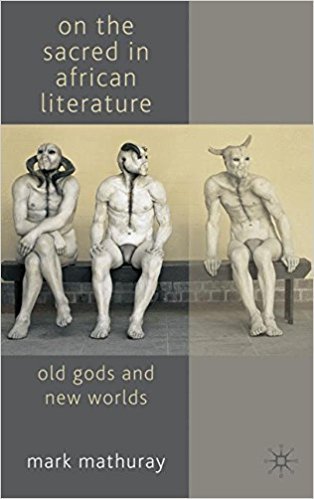
Mark Mathuray studies the sacred in African literature, beginning from the question of authenticity that runs through African literary criticism as it does through nationalist thought.
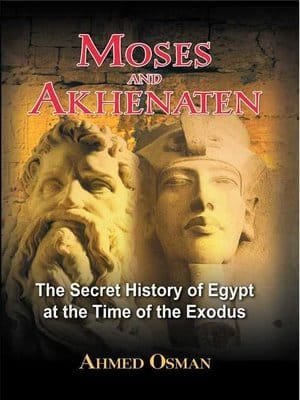
Ahmed Osman argues that Moses and the pharaoh Akhenaten were the same man. Most historians and Egyptologists do not accept this reinterpretation; read it as one author’s thesis.

An occult text by Aleister Crowley, written, in its own words, for “Babes of the Abyss”. It does not deal with Africa; CCAF keeps the record only while deciding whether it belongs in the library.
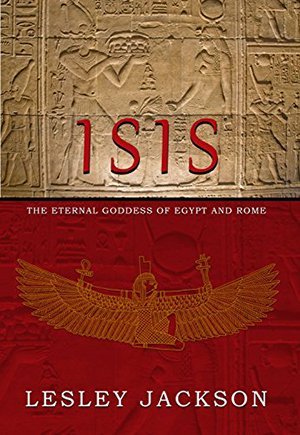
Lesley Jackson’s study of Isis, drawing on primary sources to follow the goddess from Egypt into the Greek and Roman world, where she gained new powers while keeping her old ones.
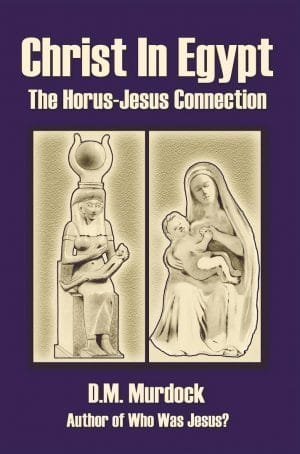
D. M. Murdock (Acharya S) argues that the story of Jesus borrows from the Egyptian god Horus. Historians of religion and Egyptologists largely reject this thesis; it is kept as an example of a contested view.
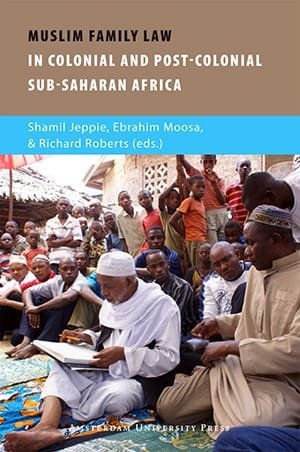
Essays on Muslim family law in sub-Saharan Africa: as resilient today as under French and British colonial rule, and still marked by that history.
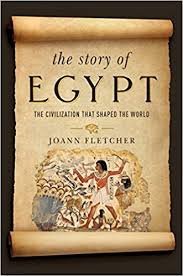
A history of ancient Egypt that begins with the Egyptians’ own creation stories, in which the first mound of earth rose from dark, endless waters, and creation was renewed again and again.

E. A. Wallis Budge’s 1922 English translation of the Kebra Nagast, “The Glory of the Kings”, the Ethiopian work on the Queen of Sheba and her son Menyelek.
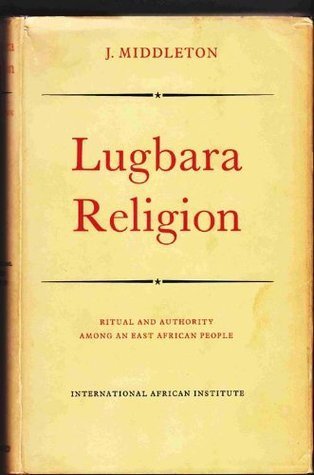
John Middleton’s 1960 study of the religion of the Lugbara of East Africa, a people without kings or chiefs, where authority rests with the heads of families; it covers ancestor rites, oracles, diviners and beliefs about witches.

Austin Shelton’s 1971 study of the Igbo–Igala borderland of northern Nsukka, where Igala conquerors of the late eighteenth century ruled through religious offices that, over time, became Igbo.
Correct Connect Africa Foundation · 20B Muyibat Oyefusi Crescent, Omole Estate Phase 1, Ikeja, Lagos, Nigeria · info@ccaf.africa