Gobero (Niger): lakeside cemeteries of the Green Sahara
In the Ténéré desert of Niger, some 200 graves on the shore of a vanished lake record two peoples who lived in the Green Sahara: the Kiffian and the Tenerian.
Ẹ̀rọ ló túmọ̀ díẹ̀ lára ọ̀rọ̀ ojú-ìwé ní èdè yìí, a sì ń yẹ̀ ẹ́ wò lọ́wọ́.
In the Ténéré desert of Niger, some 200 graves on the shore of a vanished lake record two peoples who lived in the Green Sahara: the Kiffian and the Tenerian.
A skull from a rock shelter in Ondo State, about 13,000 years old, has surprisingly archaic features, a clue that West Africa’s population history is long and complex.
On the Bandiagara plateau in Mali, people who gathered wild grasses made pottery at least 11,400 years ago, among the earliest in the world and independent of any other invention.
Near today’s Djenné in the Inland Niger Delta, Jenné-Jeno grew into a city of craft and trade more than a thousand years ago, without the palaces or monuments once thought necessary for urban life.
Bronzes of astonishing detail, cast in south-eastern Nigeria more than a thousand years ago from local metals, reveal a wealthy society linked to distant trade.
Along a sandstone escarpment in southern Mauritania, farmers and herders built hundreds of stone-walled villages during the second and first millennia BCE, among the earliest complex settlements in West Africa.
The farming communities of central Nigeria’s Nok culture made Africa’s oldest known large figurative sculptures in fired clay, and were among the first in West Africa to smelt iron.
Covers Africa from the Italian invasion of Ethiopia in 1935 through the Second World War, the struggles for independence and decolonization, and the first decades of independent states. It discusses nation-building, economies, culture and religion, Pan-Africanism and Africa’s place in world affairs.
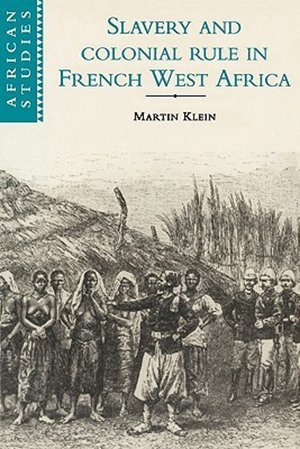
Martin Klein’s history of slaves and slavery in three former French colonies in the nineteenth and twentieth centuries, and of how French attitudes towards it changed.
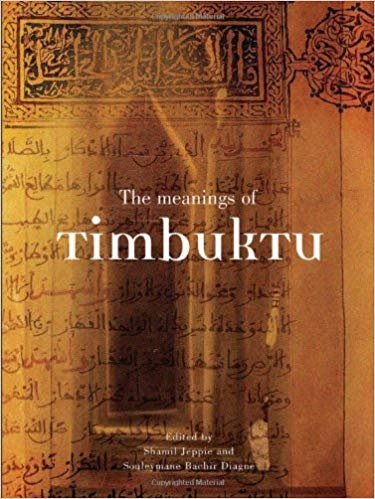
Leading international scholars sketch what Timbuktu means for the intellectual history of West Africa and of the whole continent.
Correct Connect Africa Foundation · 20B Muyibat Oyefusi Crescent, Omole Estate Phase 1, Ikeja, Lagos, Nigeria · info@ccaf.africa