African Identities
Kadiatu Kanneh explores the meanings history has given to “Africa” and “Blackness”, using literature, autobiography, ethnography and historical documents.
Na'ura ce ta fassara wani ɓangare na rubutun shafin a wannan harshe, kuma ana ci gaba da duba shi.
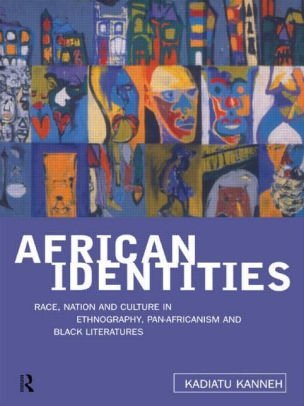
Kadiatu Kanneh explores the meanings history has given to “Africa” and “Blackness”, using literature, autobiography, ethnography and historical documents.
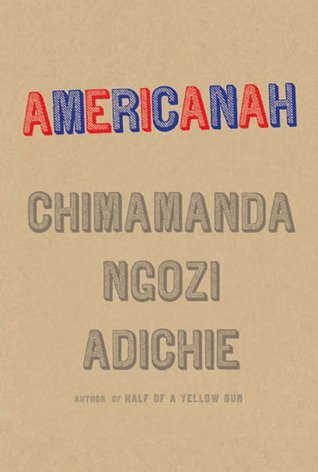
Chimamanda Ngozi Adichie’s 2013 novel about Ifemelu, a young Nigerian woman who goes to the United States for university, following her life in both countries and her love for Obinze. It won the National Book Critics Circle Award.
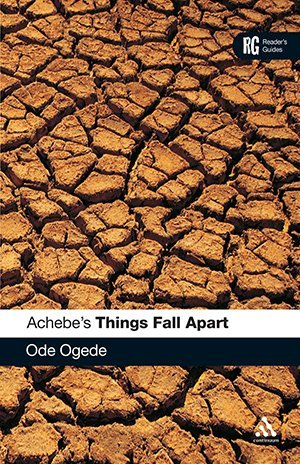
Ode Ogede’s guide to Chinua Achebe’s 1958 novel Things Fall Apart, which tells of life in south-eastern Nigeria before colonial rule and the arrival of Europeans in the late nineteenth century.

The catalogue of the Metropolitan Museum of Art’s 1969 exhibition of works from the Museum of Primitive Art, with its African section by Tamara Northern and Robert Goldwater.
Congolese rumba is a music and couple dance from the cities of the Democratic Republic of the Congo and the Republic of the Congo. It grew from an older dance called nkumba and is part of celebrations, mourning and religious life. In 2021 UNESCO inscribed it on the Representative List of the Intangible Cultural Heritage of Humanity, on the joint nomination of both countries.
Egypt’s great sung epic of the Bani Hilal migration, performed by poets with the rabab since the 14th century.
Masks, dances and chants in Yoruba that honour mothers, from the Yoruba-Nago of Benin, Nigeria and Togo.
Storytellers, poets and musicians who have made a Marrakesh square a living stage for centuries.
Why the hippo has no hair and never strays far from water: an animal tale read aloud in Kiswahili.
A girl lost at night outwits a dog with three hairs from her head, read aloud in isiZulu.
Gidauniyar Correct Connect Africa · 20B Muyibat Oyefusi Crescent, Omole Estate Phase 1, Ikeja, Lagos, Nigeria · info@ccaf.africa