Life in the Time of Oil: A Pipeline and Poverty in Chad
Leonard examines the Chad–Cameroon oil pipeline, a partnership of oil companies, the World Bank and Chad’s government meant to reduce poverty in one of the world’s poorest countries.
Ein Teil der Oberflächentexte in dieser Sprache wurde maschinell übersetzt und wird noch geprüft.
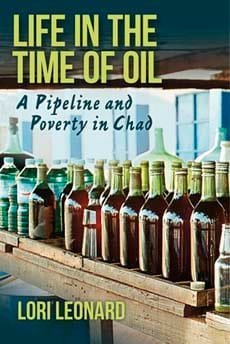
Leonard examines the Chad–Cameroon oil pipeline, a partnership of oil companies, the World Bank and Chad’s government meant to reduce poverty in one of the world’s poorest countries.
Twenty essays edited by Lovejoy and Falola on pawnship, the African form of debt bondage in which people were held as security for debts, and its effects on kinship, gender and more.
Mwaura examines foreign aid, trade, study abroad, religion, entertainment and the media in Kenya and other African nations, and asks whether what is offered as “assistance” truly helps.

Samir Amin’s study of the political economy of West Africa from colonisation to 1970 (first published in French in 1971), showing how its capital and savings are controlled from outside.
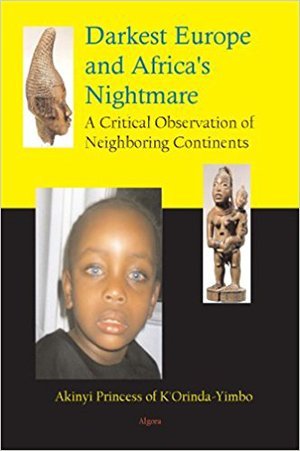
K’Orinda-Yimbo argues that the aid system harms Africa more than it helps, in a critical look at the relationship between Africa and the West.
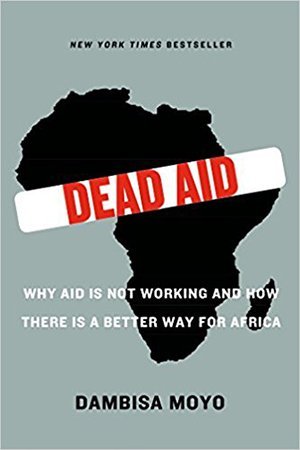
Dambisa Moyo argues that the billions of dollars of aid sent to Africa since the Second World War have failed to reduce poverty or bring growth, and proposes a different path out of poverty.
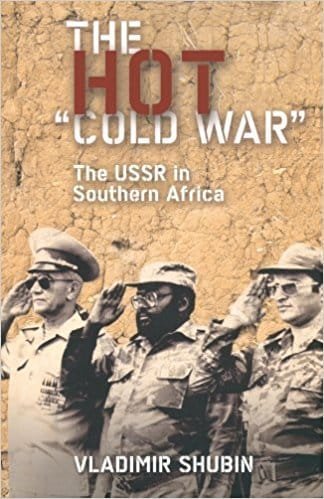
Steven Rubert examines the work, living conditions and social relations of African men, women and children on European-owned tobacco farms in colonial Zimbabwe from 1890 to 1945.
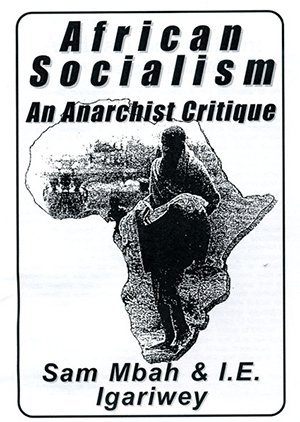
An anarchist critique of the African socialism adopted by post-colonial states, including Nkrumah’s, arguing that anarchism is Africa’s way forward.

George Ayittey’s textbook introducing economics from an African point of view, to understand the continent’s economic setbacks and the way to economic liberation.
According to World Bank figures (World Development Indicators, as checked for the CCAF Origins Atlas in October 2026), Algeria is Africa’s largest country by surface area, about 2.38 million square kilometres, closely followed by the Democratic Republic of the Congo and Sudan. Nigeria is the most populous, with about 238 million people in 2025, followed by Ethiopia and Egypt. Population figures are estimates and change every year.
Correct Connect Africa Foundation · 20B Muyibat Oyefusi Crescent, Omole Estate Phase 1, Ikeja, Lagos, Nigeria · info@ccaf.africa