Historical Dictionary of Civil Wars in Africa
A reference work on the wars that have marked Africa since the Second World War, and especially since seventeen colonies became independent in 1960, from liberation struggles onward.
Ẹ̀rọ ló túmọ̀ díẹ̀ lára ọ̀rọ̀ ojú-ìwé ní èdè yìí, a sì ń yẹ̀ ẹ́ wò lọ́wọ́.

A reference work on the wars that have marked Africa since the Second World War, and especially since seventeen colonies became independent in 1960, from liberation struggles onward.

Edward Malkowski argues that Egyptian civilisation and its monuments are tens of thousands of years older than archaeology shows. This is a contested view; read it alongside mainstream Egyptology.
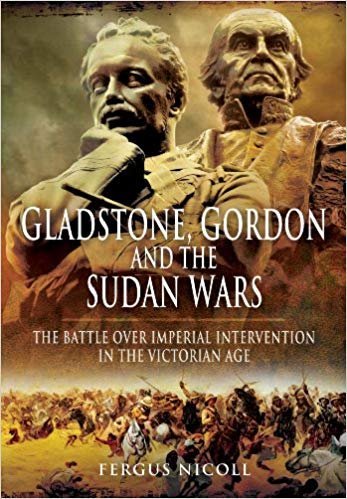
Nicoll (2013) revisits General Gordon’s death at Khartoum on 26 January 1885, when the besieged city fell to the Mahdi’s forces, and the long quarrel over British intervention in Sudan.

Newton (2008) shows how emancipation changed social and political life for free people of colour in Barbados, from their 1838 celebration of the end of apprenticeship onward.
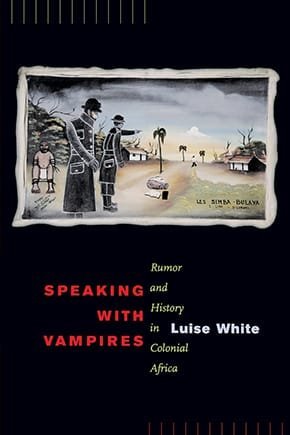
White (2000) treats the rumours told in colonial Africa as a source for writing its history.
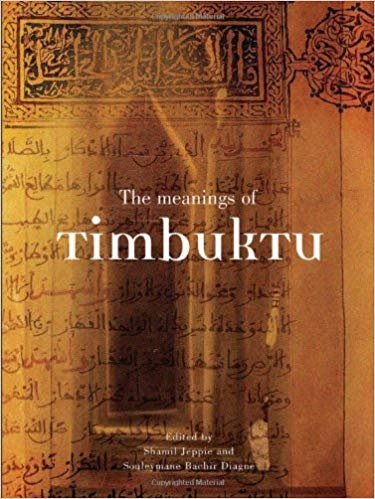
Leading international scholars sketch what Timbuktu means for the intellectual history of West Africa and of the whole continent.
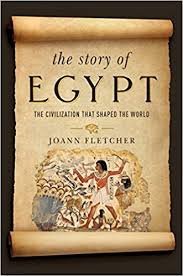
A history of ancient Egypt that begins with the Egyptians’ own creation stories, in which the first mound of earth rose from dark, endless waters, and creation was renewed again and again.

Robert Lyman’s account of the siege of Tobruk in the Second World War, which began on 10 April 1941 and lasted 240 days: a story of endurance in the battle for North Africa.
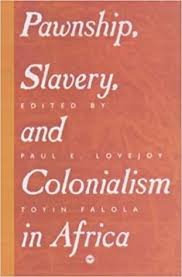
Twenty essays edited by Lovejoy and Falola on pawnship, the African form of debt bondage in which people were held as security for debts, and its effects on kinship, gender and more.
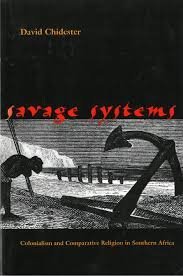
Not a history of beliefs, but a critical study of how the very categories of “religion” and “religions” were formed on contested colonial frontiers through the practice of comparative religion.
Correct Connect Africa Foundation · 20B Muyibat Oyefusi Crescent, Omole Estate Phase 1, Ikeja, Lagos, Nigeria · info@ccaf.africa